
Masai Mara or Serengeti: Where Should You See the Great Migration?
The migration is a moving story, not a single event
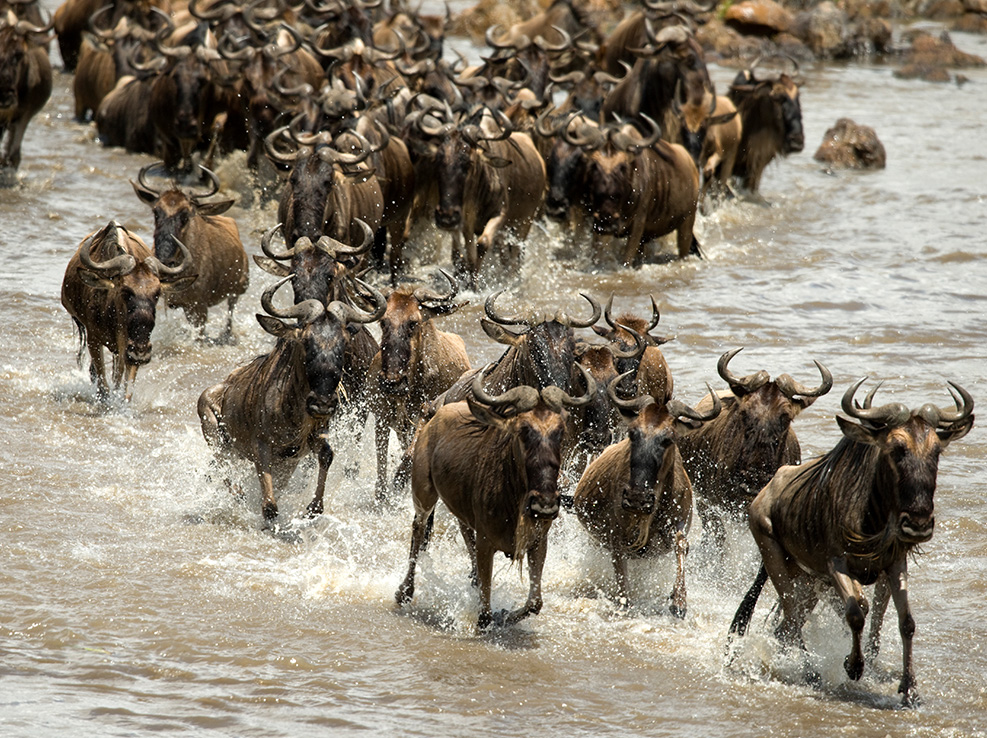
The Great Migration is often reduced to one image: wildebeest plunging into a river while crocodiles wait below. That scene can happen, but it is only one chapter in a year-round movement shaped by rain, fresh grass, breeding and survival.
Across the Serengeti-Mara ecosystem, wildebeest travel with zebras and other grazers while predators follow the herds. Some periods are about newborn calves and hunting on open plains. Others bring long columns moving north, tense riverbanks or scattered herds returning south. Understanding that cycle is the key to choosing between Kenya and Tanzania.
Choose the Serengeti for scale and different stages of the cycle
Tanzania’s Serengeti contains most of the migration’s annual route. Depending on the season and rainfall, travellers may focus on the southern plains, the western corridor, central areas or the northern Serengeti. Each region offers a different expression of the same movement.
The southern plains are associated with calving and wide, short-grass landscapes. As conditions change, the herds move through central and western areas before many reach the north. This makes the Serengeti suitable for travellers who want to understand the migration as an ecological cycle rather than chase one dramatic moment.
The park’s size also means a migration safari needs careful planning. Choosing the correct area matters more than simply booking a property with the word Serengeti in its name.
Choose the Masai Mara for concentrated drama in a smaller area
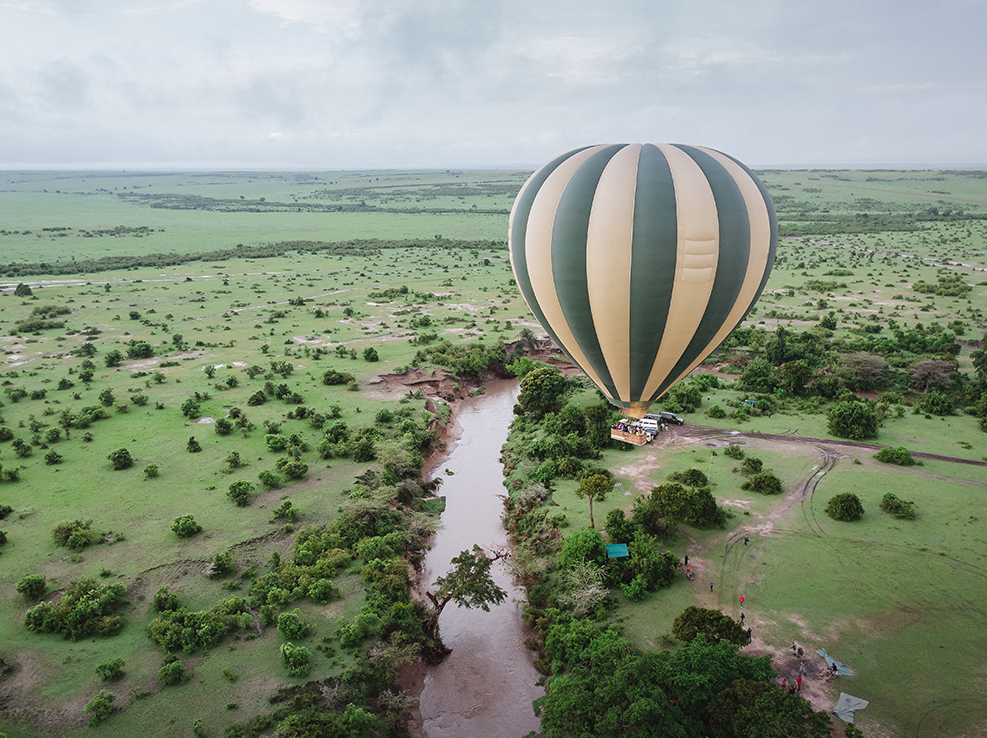
Kenya’s Masai Mara receives the herds during the northern part of the cycle, commonly drawing travellers who hope to see activity around the Mara River. The reserve’s open grasslands also support abundant resident wildlife, so a visit remains rewarding even when the herds are dispersed or a crossing does not occur.
The Mara feels more compact than the Serengeti. Game drives can move between open plains, riverine woodland and predator territories within a manageable area. Lions, cheetahs, elephants, giraffes and other animals give each day several possible storylines beyond the migration itself.
River crossings cannot be scheduled
A herd may gather near a crossing point for hours, move away without entering the water, or cross when no vehicle is nearby. Rainfall, river conditions and the animals’ own decisions determine the timing. No responsible operator can promise a crossing on a particular day.
The best response is to allow enough time and treat the wider safari as the product. Watch how the herds bunch together, how predators position themselves and how guides read the landscape. Those quieter hours often make the eventual action more meaningful.
How many days should you allow?
One hurried game drive is rarely enough for migration-focused travel. A stay of several nights gives guides room to follow recent herd movements, return to productive areas and balance migration viewing with resident wildlife.
Travellers with more time can combine northern Serengeti and the Masai Mara, crossing between Tanzania and Kenya as part of a wider journey. This creates a fuller picture of the shared ecosystem, although border logistics and transfer times need to be handled carefully.
Photography and viewing tips
Bring binoculars even if you carry a long camera lens. The scale of the movement is often best appreciated with your own eyes. For photography, use a fast shutter speed for running animals and remember to take wider frames that show the landscape rather than filling every image with a single wildebeest.
Dust, distance and changing light are part of the experience. Keep a cloth and blower handy, protect equipment while driving and ask your guide before changing seats or standing when other guests are photographing.
Let the season decide the location
The right question is not simply Masai Mara or Serengeti. It is: where are the herds most likely to be during your travel window, and what else would make the trip worthwhile if nature changes the plan?
Steadfast Safaris can match your dates with the most suitable part of the ecosystem, recommend enough time in the field and combine migration viewing with Ngorongoro, Lake Manyara, Amboseli, Lake Nakuru or a beach extension. Send your intended month and trip length to start planning around the wildlife rather than a generic calendar.
Frequently asked questions
What is the best month for the Great Migration?
There is no single best month because different stages occur in different areas. Your preferred experience – calving, moving herds, river activity or fewer crowds – should guide the timing.
Is the Great Migration guaranteed?
The migration itself is a continuous natural cycle, but exact herd locations and river crossings cannot be guaranteed. Rainfall can shift movement from one year to another.
Can I visit both the Masai Mara and Serengeti?
Yes. A cross-border safari can combine both, but the route should allow time for border procedures, transfers and meaningful game viewing in each destination.
READY TO PLAN THIS EXPERIENCE?
Tell us your preferred travel dates, group size, budget range and the activities that matter most. The team can shape a personalised East African journey and guide you towards the right next step.