
Gorilla Trekking in Uganda or Rwanda: Which Experience Is Right for You?
The moment people travel across the world to experience
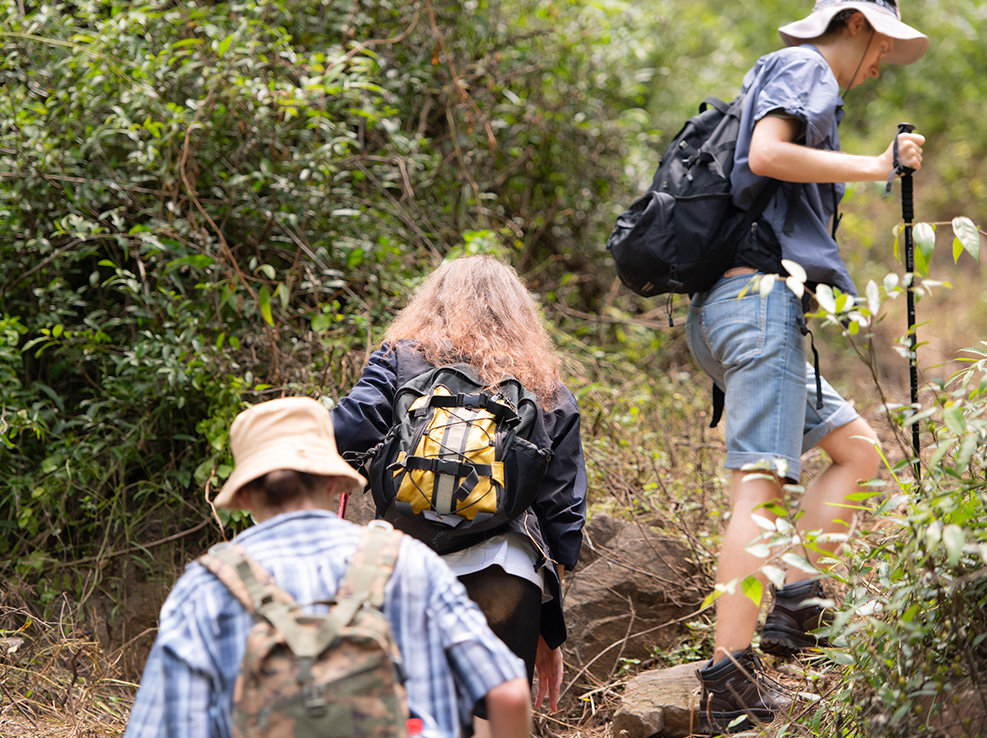
A gorilla trek begins long before the first silverback comes into view. It starts at the forest edge, where boots sink into damp earth, and the trail disappears beneath giant ferns. Rangers read signs that most visitors would miss: a bent stem, fresh dung, a half-eaten shoot or a distant movement in the canopy.
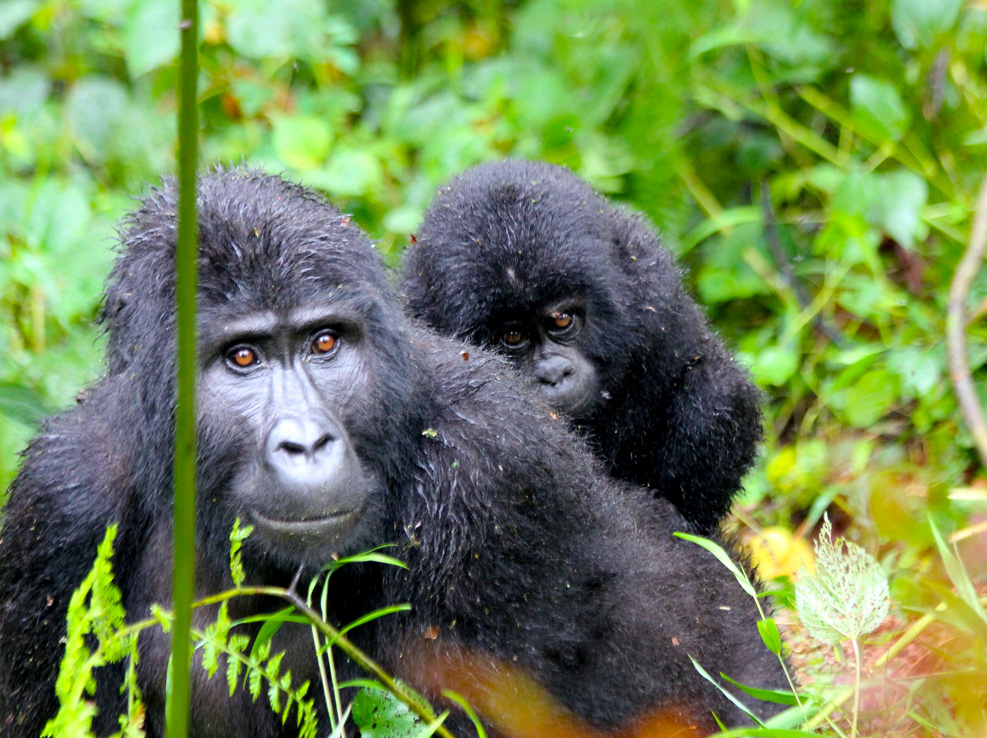
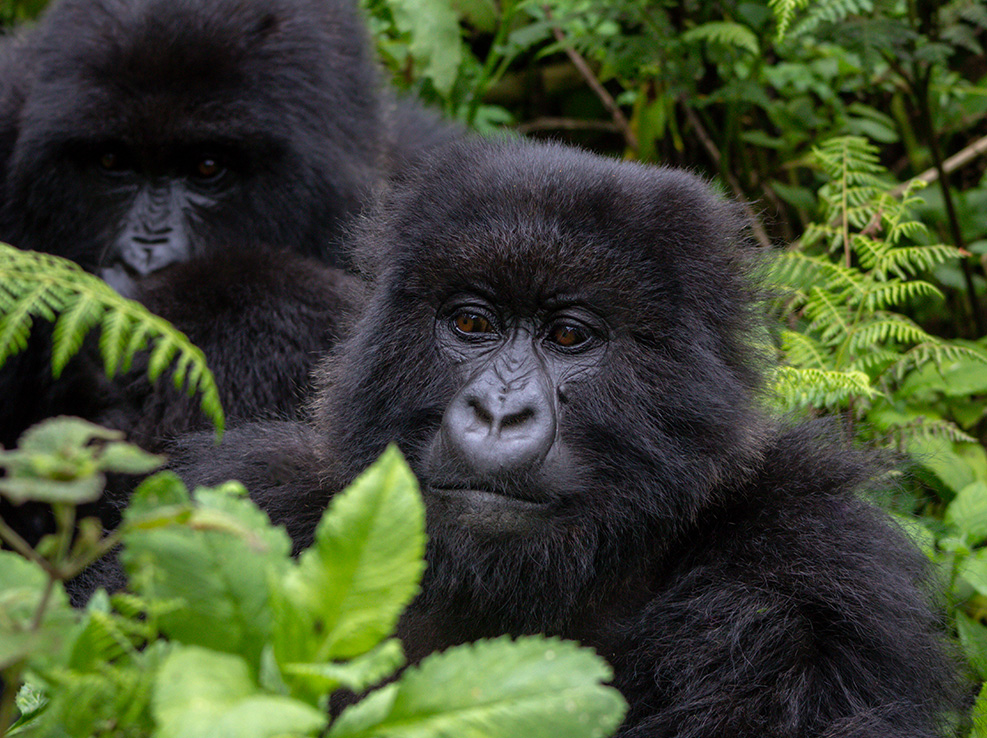
Then the forest changes. Voices drop. The guide signals for the group to slow down, and the animals you have travelled so far to meet are suddenly there – feeding, resting and watching from only a short distance away. No wildlife encounter feels quite like it. The question for many travellers is not whether to go gorilla trekking, but whether to do it in Uganda or Rwanda.
Uganda offers a wilder, more varied forest adventure
Uganda has two recognised gorilla-trekking destinations: Bwindi Impenetrable National Park and Mgahinga Gorilla National Park. Bwindi is the better-known of the two, with several trekking sectors spread around a steep, densely forested landscape. The walking can be demanding, and the time needed to locate a gorilla family varies according to where the animals have moved.
That uncertainty is part of the appeal. A Bwindi trek feels like a proper forest expedition rather than a scheduled viewing. Porters can help with bags and difficult sections, while rangers guide each group through the vegetation. Once a habituated family is found, visitors normally spend a limited period observing the gorillas under strict guidance.
Uganda also suits travellers who want a broader wildlife journey. Gorilla trekking can be paired with chimpanzee tracking in Kibale, a game drive in Queen Elizabeth or Murchison Falls, a boat safari, the Rwenzori foothills or time beside Lake Bunyonyi. The country works especially well for people who want their primate encounter to sit within a longer, varied adventure.
Rwanda makes the experience compact and easy to combine
Rwanda’s gorilla treks take place in Volcanoes National Park, where bamboo forest covers the slopes of the Virunga volcanoes. The setting is striking: cultivated hills rise towards a chain of misty peaks, and the forest has a different feel from Bwindi’s thicker jungle.
The park is relatively accessible from Kigali, making Rwanda attractive to travellers with limited time or those adding gorilla trekking to a Kenya or Tanzania safari. A short stay can still feel substantial because the country is compact and road journeys are generally straightforward.
Volcanoes National Park also offers golden-monkey tracking, hiking and cultural experiences. Visitors can combine the forest with Kigali, Akagera National Park, Lake Kivu or Nyungwe without turning the holiday into a series of very long transfers.
So, which destination should you choose?
Choose Uganda when you want a more expansive journey, a rugged forest atmosphere and the chance to combine gorillas with chimpanzees, savannah wildlife, lakes and river experiences. Choose Rwanda when time is tighter, convenience matters and you want to combine the trek with a polished, compact circuit.
Neither choice is the lesser experience. The terrain, surrounding activities, travel time and budget are more useful decision points than trying to rank the gorillas themselves. Both destinations protect the same extraordinary subspecies, and both operate permit-controlled visits designed to reduce disturbance.
What the trek actually demands
You do not need to be a mountaineer, but you should be ready for uneven ground, mud, humidity and steep sections. Wear broken-in walking boots, long trousers, gardening gloves and a light waterproof layer. Carry water and keep your camera protected from rain.
Hiring a porter is one of the most practical decisions you can make. Besides carrying your daypack, a porter can provide a steady hand on slippery slopes. The service also directs tourism income towards communities around the parks.
The animals are wild, so their location and behaviour cannot be staged. The strongest trips leave room for the trek to unfold naturally rather than treating it as a quick photo stop.
Plan the trek around you, not around a template
A good gorilla safari starts with a few honest questions. How much walking are you comfortable with? How many days do you have? Do you want classic game viewing as well? Would you rather spend more time in one country or cross a border?
Steadfast Safaris can use those answers to shape the right experience, secure the required arrangements and connect the trek with activities that genuinely interest you. Send an enquiry with your preferred travel dates, group size and fitness level, and the team can recommend whether Uganda, Rwanda or a combination of both fits best.
Frequently asked questions
Is gorilla trekking guaranteed?
Permits secure a place on an organised trek, but the gorillas remain wild, and their movements cannot be controlled. Rangers track habituated families daily, and sightings are generally reliable, although no ethical wildlife experience should be sold as a guarantee.
How fit do I need to be?
Moderate fitness is helpful. Some treks are short, while others involve several hours of climbing, mud and thick vegetation. Tell your tour planner about mobility concerns so the most suitable arrangements can be considered.
Can I combine Uganda and Rwanda in one trip?
Yes. The two countries can work well together, particularly for travellers who want contrasting forest landscapes, additional primate activities or a wider East African safari.
READY TO PLAN THIS EXPERIENCE?
Tell us your preferred travel dates, group size, budget range and the activities that matter most. We can shape a personalised East African journey and guide you towards the right next step.